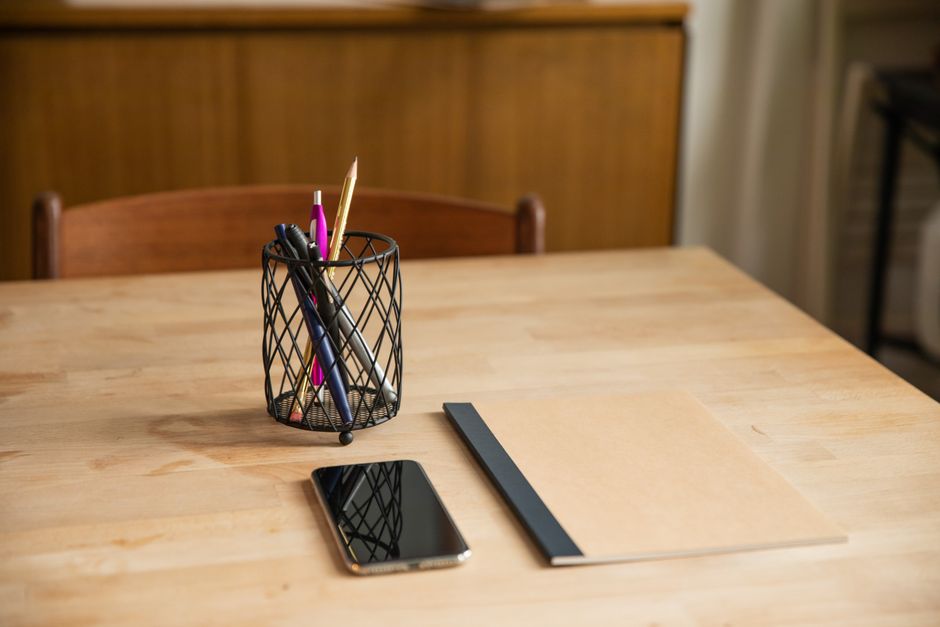
The clock ticks down the minutes, and the phone buzzes with notifications, just an arm's reach away. This routine, repeated too often, leaves little room for actual practice, as the focus shifts from learning to merely finding.
Before diving into a practice session, it’s crucial to have the right materials at hand. Yet, it’s easy to overlook this step in the rush to start. If the notes aren’t organized or a single page isn’t ready, the transition from review to practice can falter. The phone, always within reach, becomes a distraction, pulling attention away from the task at hand. This missed check can derail the entire session, turning what should be a productive practice block into a scramble for clarity and focus, ultimately stalling progress in learning creative skills.
The First Step That Gets Skipped
The cluttered desk is a familiar sight: scattered notes, a half-opened notebook, and a timer set for 20 minutes. As the evening light fades, the intention to review flashcards before diving into skill practice hangs in the air. However, the first ten minutes often slip away in a frantic search for the right page or the right set of cards. This disorganization can quickly derail the entire session, making it harder to shift from review to practice.
To avoid this pitfall, a simple adjustment is key. This small action creates a visual cue, making the transition smoother. When the timer starts, the focus can shift directly to the flashcards instead of scrambling to find them. With the phone still within reach, it’s easy to get distracted by notifications, but having everything organized beforehand helps maintain concentration.
Hidden Steps That Disappear
The desk is a jumble of materials: a stack of flashcards, a half-used notebook, and a pen that rolls away with each slight movement. As the timer ticks down on a busy evening, the intention to review before practice often gets lost in the chaos. Without a clear setup, the first few minutes vanish into searching for the right materials or flipping through disorganized notes. This frantic search not only wastes precious time but also disrupts focus, making it harder to engage with the practice block.
- Gather all notes and flashcards into one designated area on the desk.
- Set the timer for a strict 20-minute review session, ensuring no distractions are within reach.
- Check that the notebook is open to the correct page before starting the timer.
By pulling the flashcard stack forward and ensuring the notebook is prepped, the transition from review to practice becomes seamless. When the timer starts, the focus shifts directly to the material at hand, minimizing the risk of losing those first critical minutes to disarray.
If this pattern keeps repeating, Learning New Skills As extends the idea without leaving the niche.
What Happens When the Phone Distracts
Each ping creates a temptation to check, leading to a cascade of distractions that can derail focus. When the practice block finally begins, it’s easy to realize that the first ten minutes have evaporated, spent searching for the right page in a notebook that was left closed.
Before starting, place the notebook open to the last reviewed page and stack flashcards neatly beside it. This simple action ensures that when the timer starts, there’s no fumbling through pages or losing concentration to find the right material. If the phone remains within reach, it’s crucial to silence notifications or, better yet, place it in another room. This way, the immediate urge to check it is eliminated, allowing for a smoother transition into the practice block.
When distractions are minimized, the time spent reviewing can be maximized, creating a more productive learning experience. The next time the timer is set, consider the setup: is the phone silenced, and is the notebook ready?
A Better Order for the Same Five Minutes
Returning to the desk after a long day, the familiar sight of the flashcard stack and notebook can feel overwhelming. Before, the routine often started with flipping through pages to find the right section, wasting precious minutes that could have been spent reviewing. The phone, always within reach, would buzz with notifications, pulling focus away from the task at hand. The first five minutes would vanish in this chaos, leaving little time for actual practice.
Now, a revised order transforms this initial chaos into a productive start. Before the session begins, the notebook is opened to the last reviewed page, and the flashcards are stacked neatly beside it, ready for quick access. Pulling one practice set forward to the top of the stack ensures that the most relevant material is prioritized. This small adjustment means there’s no fumbling through pages or losing concentration to find the right material. With the phone silenced and placed in another room, distractions are minimized, allowing for a smoother transition into the practice block.
What Changes Once the Sequence is Cleaner
A slightly different version of this problem appears in Practical Life Skills Us, where the sequence changes but the hidden drag feels familiar.
Returning to the desk after a long day, the flashcard stack sits invitingly next to an open notebook, pages marked with colorful tabs. This simple setup allows for immediate engagement, eliminating the usual scramble to find the right materials. With the notebook already open to the last reviewed page, attention can shift directly to the flashcards, which are sorted by priority. This arrangement cuts down on wasted time, allowing for a focused start to the practice block.
Each distraction from the phone, which always seemed to buzz at the worst times, compounded the problem. Now, with the phone silenced and placed out of reach, the practice block feels more productive. The first ten minutes are no longer lost to chaos; instead, they are spent actively reviewing key concepts, leading to better retention of skills.
As the timer ticks down, the clarity of having everything in place fosters a deeper focus. Notes are taken more efficiently, capturing essential points without the interruptions of searching. This structured approach not only enhances the quality of the practice but also builds a stronger review habit, making each session feel more rewarding. The tangible improvement is noticeable: less time spent searching means more time for actual skill development, reinforcing the value of a cleaner sequence in learning creative skills.
Returning to your notes after a hectic day can often feel like a race against time. The flashcard stack, once neatly organized, might now be scattered, making it difficult to dive right into practice. This small action not only saves precious minutes but also sets a clear intention for what you want to focus on. Having that page ready means you can immediately engage with the material instead of wasting time flipping through notes.
As you sit at your desk, with the timer set for just twenty minutes, the absence of distractions allows for a more immersive experience. With your phone silenced and tucked away, the risk of losing focus diminishes. This simple check—ensuring that your materials are organized and accessible—transforms the way you approach learning creative skills.