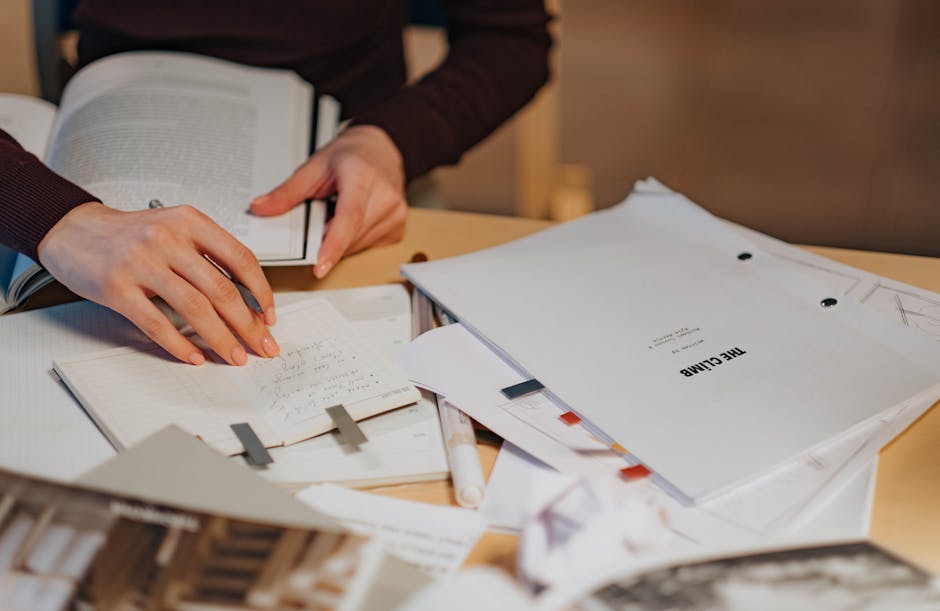
With a timer set for just twenty minutes after a long day at work, the urgency to dive into practice is palpable, yet the phone's familiar buzz keeps pulling focus. Each notification feels like a small distraction, making it easy to lose track of the material that should be front and center. The notebook, filled with notes and sketches, lies open, but the specific page for today’s practice remains elusive, leading to frustration and wasted time.
As the minutes tick by, the review habit that usually anchors the learning process falters. The intention to pull one practice set forward gets overshadowed by the chaos of finding the right notes. Instead of diving into skill practice, the session becomes a scavenger hunt for materials, leaving little room for actual learning. This pattern often repeats itself, with the act of preparing overshadowing the practice itself, highlighting a crucial step that frequently gets overlooked in the rush of a busy schedule.
The First Step That Gets Skipped
The desk is a familiar chaos, littered with crumpled notes and a half-empty glass of water, a testament to the busy day that just passed. In the center, a stack of flashcards waits, their vibrant colors a stark contrast to the dullness of the surrounding clutter.
Before diving into the practice session, it’s essential to have one specific page ready. Instead of scrambling to find the right notes, take a moment to pull that page forward from the notebook, placing it atop the stack of flashcards. This small adjustment can save the first ten minutes of the session that typically vanish in a frantic search. By making this deliberate move, the clutter transforms from a barrier into a backdrop for focused learning, allowing the mind to shift gears and embrace the practice block ahead. However, the ever-present phone remains a lurking distraction, reminding that even the best intentions can slip away in a busy schedule.
Hidden Steps in the Learning Process
At the desk, the notebook lies open, and the pen is poised, ready for action. Yet, the crucial step of pulling forward the specific practice set often slips through the cracks. Instead of diving straight into the material, take a moment to sift through the pages and select the exact notes needed for the session. This simple act of preparation can prevent the frustration of wasting precious minutes later on, searching for that elusive page.
Without a quick glance at previous notes, valuable context is lost, leading to confusion during practice. The flashcards sit nearby, but without the relevant notes, they become less effective. By taking just a minute to review the last few entries, you can create a smoother transition into the practice block. The phone, ever within reach, threatens to distract, but focusing on these small, overlooked steps can keep the learning momentum alive.
Next time, before settling in, make it a routine to pull that practice set forward and glance over the prior notes. This small adjustment can transform a chaotic start into a focused session, ensuring that the time spent is productive rather than fragmented.
If this pattern keeps repeating, Learning New Skills As extends the idea without leaving the niche.
What Happens When the Phone Takes Over
The desk is cluttered with a stack of flashcards and a notebook filled with hastily scribbled notes. Instead of diving into the material, the first ten minutes vanish into a scroll through social media, leaving the learner feeling scattered and unprepared.
Each notification is a siren call, drawing focus away from reviewing notes. The learner picks up the phone, intending to check just one message, but soon finds themselves lost in a feed of updates and distractions. Without a quick review of the notes, the flashcards become less effective, as the context needed to understand them is lost.
To counter this, a simple adjustment can be made: before starting the session, place the phone in another room or face down on the desk. This small action can create a boundary that preserves the first few minutes for focused note-taking and review. As the learner sits down, they should pull the notebook forward, ensuring that the last few entries are easily accessible. With the phone out of reach, the transition into the practice block becomes smoother, allowing for a more productive session rather than a fragmented one.
A Better Order for the Same Five Minutes
Returning to the desk after a long day, the learner finds a stack of flashcards waiting. To make the most of this time, a slight adjustment in the order of actions can significantly enhance the effectiveness of the practice block.
Before diving into the flashcards, take a moment to pull out the notebook and lay it flat on the desk, ensuring the last few notes are visible. This simple act sets the stage for a quick review. Next, set a timer for 25 minutes and place the phone in another room, eliminating the temptation to check notifications. With the notebook easily accessible, the learner can quickly glance at the most recent entries, providing context for the flashcards.
As the timer begins, the first ten minutes can be dedicated to reviewing the notes. This allows the learner to refresh their memory and connect the concepts before tackling the flashcards. If the notes are properly laid out and the phone is out of reach, the initial moments won't slip away searching for the right page, leading to a more productive session overall.
What Changes When the Sequence is Cleaner
A slightly different version of this problem appears in Practical Life Skills Us, where the sequence changes but the hidden drag feels familiar.
Instead of flipping through pages to find the right notes, the learner can immediately review the last few entries, reinforcing the concepts before diving into practice. This shift not only saves time but also creates a more focused mindset, allowing for a smoother transition into the flashcard review.
Having the notebook ready serves as a visual cue that prompts the learner to engage with the content right away. The act of glancing at recent notes provides context, making the subsequent flashcard practice feel more relevant and connected. This sequence change fosters a review habit that builds momentum, resulting in a greater sense of accomplishment at the end of the session.
As the timer ticks down, the clarity gained from this refined approach becomes evident. Instead of feeling rushed or frustrated by misplaced materials, the learner can dedicate those crucial first minutes to solidifying their understanding.
Instead of scrambling through notes, take a moment to place the flashcard stack right next to your notebook at the start of each session. This simple adjustment eliminates the common friction of searching for materials, allowing you to dive straight into your practice block. The phone, often a distraction, should be kept out of reach to maintain focus.
Next time you sit down at your desk, check that one page of recent notes is ready before the timer starts. This small preparation step can significantly enhance your review habit, ensuring that you maximize those limited minutes after work or before bed. By prioritizing this setup, you'll find that the first ten minutes of your practice are spent reinforcing your knowledge rather than wasted on finding the right materials.