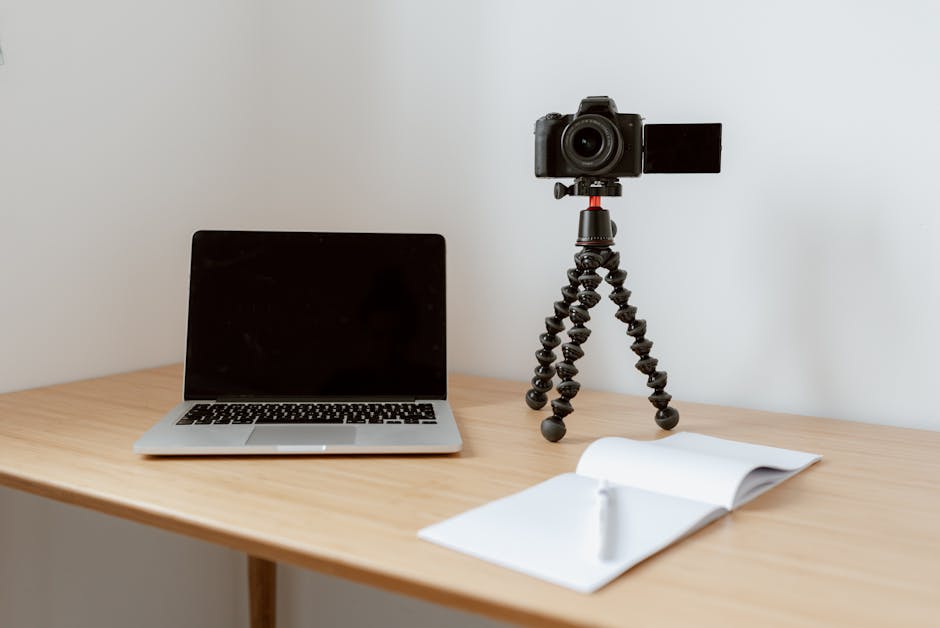
At the desk, the faint glow of a timer counts down the fifteen minutes left before the next obligation pulls you away. Flashcards are stacked neatly to the side, but the first ten minutes slip away as you sift through scattered notes, searching for the right page. The phone, ever within reach, buzzes with notifications, a constant reminder of the outside world. This chaotic setup often leads to a frustrating start, where the intention to practice gets overshadowed by the scramble to find materials.
Before diving into the practice block, a crucial step often overlooked is ensuring that one page of notes is ready to go. Without this simple check, valuable minutes are wasted in disarray. The act of pulling one practice set forward can make all the difference, allowing for a smoother transition into focused learning. This small adjustment can turn a frantic scramble into a more productive session, minimizing distractions and maximizing the limited time available after work or before bed.
The First Step That Gets Skipped
At the desk, the flashcard stack sits ready, but the surrounding notes are a jumble. As the clock ticks down to the next obligation, the pressure mounts. The intention to practice is there, but the scattered review material creates a barrier. Instead of diving into the practice block, the first ten minutes disappear searching for the right page, flipping through disorganized notes. The phone, always nearby, buzzes with distractions, pulling attention away from the task at hand.
Before starting the practice session, a simple yet often overlooked step is to pull one practice set forward. By taking just a moment to place one page of notes on top of the stack, the transition becomes smoother. With the materials at hand and distractions minimized, the focus shifts back to learning. This adjustment not only saves time but also enhances the quality of the practice block, making it more effective despite the limited window after work or just before bed.
Hidden Steps in Your Study Routine
Before diving into a practice block, it’s easy to overlook the necessary setup that can make or break your learning session. Picture your desk, cluttered with various notebooks and flashcards, each holding pieces of information you need. Instead of sifting through stacks, take a moment to pull out the specific notes you’ll use today. This simple act of selecting one or two pages from the jumble can save valuable time. If you know you need to focus on a particular skill, have that material ready to go on top of your stack.
- Clear your workspace of unnecessary items to minimize distractions.
- Set your phone aside, or better yet, place it in another room to avoid the temptation of checking notifications.
- Use a timer to create a focused environment; set it for 25 minutes to keep your study session on track.
During those precious minutes after work or just before bed, every second counts. The first few minutes often slip away as you search for the right page or get distracted by your phone's notifications. By preparing your space and pulling out the relevant notes in advance, you create a smoother transition into focused practice.
If this pattern keeps repeating, Learning New Skills As extends the idea without leaving the niche.
What Friction Spreads When the Phone is Nearby
You might think it’s just lying there innocently, but the temptation to check notifications can derail your focus in an instant. As you open your notebook and prepare to dive into your notes, that familiar buzz or ping draws your attention away from the material in front of you.
In those first ten minutes, while you’re trying to find your rhythm, you may realize you’ve wasted precious time scrolling through social media or responding to messages. Instead of jotting down important notes or practicing a skill, you’re caught in a loop of distractions. To combat this, consider placing your phone in another room or at least out of reach. This small adjustment can create a mental barrier, allowing you to concentrate on the task at hand.
Pull out the specific pages you need from your notebook and have them ready on your desk. This simple action not only streamlines your process but also minimizes the chance of losing focus while searching for the right page.
A Better Order for the Same Five Minutes
Before, you might have opened your notebook to the first page, only to realize you’ve lost precious time flipping through notes to find the relevant material. During those frantic moments, you might have also neglected to hydrate, leaving you feeling sluggish as you try to focus. The initial five minutes can easily slip away, leaving you frustrated and unprepared.
Now, consider a revised sequence that sets you up for success. Start by organizing your notes into a single, accessible stack on your desk, placing the most critical pages on top. Next, set a timer for a focused review—this creates a sense of urgency and helps you concentrate. Finally, have a glass of water ready within arm's reach. This small adjustment not only keeps you hydrated but also minimizes the chance of getting up mid-session, breaking your flow. By following this new order, you’re ensuring that when the timer starts, you’re fully equipped to dive into your practice block without distractions.
What Changes When the Sequence is Cleaner?
A slightly different version of this problem appears in Practical Life Skills Us, where the sequence changes but the hidden drag feels familiar.
When you sit down at your desk, take a moment to ensure your notebook is open to the right page, ideally the one summarizing key concepts or exercises you plan to tackle. This simple act can save you from the frustration of wasting the first ten minutes of your session flipping through pages, searching for the relevant information.
As you prepare, stack your flashcards neatly beside your notebook, with the most critical ones on top. This arrangement allows you to dive straight into review without hesitation. By setting a timer for your practice block, you create a sense of urgency that keeps distractions at bay. If your phone is within reach, consider placing it in another room or turning it off to prevent interruptions. This small adjustment can lead to improved retention of learned skills, as your mind remains engaged with the material instead of wandering to notifications.
When the timer starts, you’ll find that your concentration is sharper, and you’re better equipped to absorb the information. Instead of feeling scattered, you’re actively working through your practice set, leading to a more productive session. The sequence of having everything in place not only minimizes wasted time but also fosters a smoother transition into focused learning. This means that when you finish your practice block, you can reflect on what you’ve accomplished rather than lamenting the time lost searching for materials.
When the day is packed with obligations, the act of reviewing materials before diving into practice can easily slip through the cracks. The first ten minutes often vanish as you search for that one page in your notes or flip through flashcards, leaving little time for actual skill development. Keeping a dedicated page ready to go can eliminate this friction, ensuring that you can jump straight into your practice block without delay.
As you sit at your desk, take a moment to pull out your flashcard stack and lay it next to your notebook. This simple action creates a visual cue that signals it’s time to engage. Next time you return to your notes, check that one page is prepped and waiting, so you can maximize your practice time and avoid the disarray that often accompanies a busy schedule.