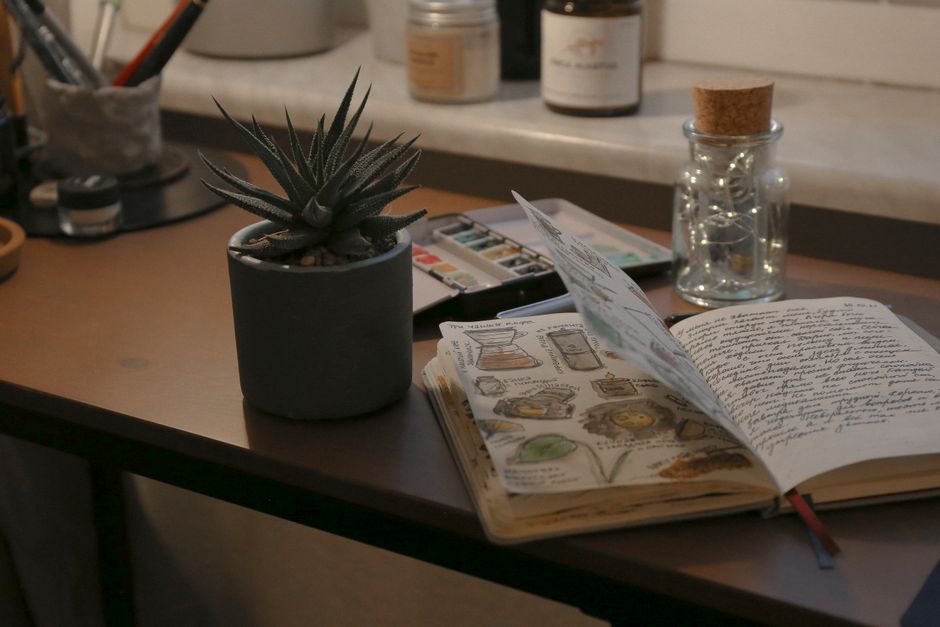
The clock ticks steadily, reminding you that there's only a short window after work to dive back into learning creative skills before the evening slips away. As you settle in, the familiar tug of your phone's notifications pulls at your attention, making it easy to lose focus.
This chaotic start can set the tone for the entire session. Without a clear plan, the practice block feels more like a scramble than a structured learning experience. The flashcards might be ready, but if you haven’t pulled out one specific set to focus on, you risk wasting precious time. That missed step of preparing just one page before diving in can mean the difference between a productive review habit and a frustrating evening spent in disarray, where the intent to learn gets overshadowed by the distractions of a busy day.
The First Step That Gets Skipped
The timer is set for twenty minutes, a focused block meant to squeeze in some serious review before the day ends. Yet, the phone lies within arm's reach, its screen lighting up with notifications, threatening to pull you away from your intended practice. This environment, while familiar, can easily lead to a disjointed start.
Before diving into the flashcards stacked nearby, take a moment to pull out one specific practice set. This small action—laying just one page in front of you—can streamline your focus. Instead of wasting the first ten minutes flipping through notes, you can begin with clarity. As you jot down key points or insights in your notebook, ensure that your phone is silenced and out of sight. This simple adjustment helps maintain concentration, allowing you to maximize the limited time available for learning. Without this initial setup, the session risks becoming another hurried attempt at learning, where the intent is lost in distraction.
Hidden Steps in Your Learning Routine
Without this brief recap, you might dive into new material without the context needed to build on your previous learning. This oversight can lead to confusion and wasted effort, as your brain struggles to connect new concepts with what you've already practiced.
- Neglecting to review your last notes can leave gaps in understanding.
- Failing to pull the right practice set forward means you might spend the first few minutes searching through cards.
- Skipping the initial setup of having one page ready can result in a chaotic start.
When you sit down, take a moment to pull one specific practice set from the stack and lay it in front of you. This small action not only saves time but also sets a clear focus for your session. With only a limited window after work or before bed, ensuring that the right materials are at hand can make all the difference. If you skip this step, you risk losing those precious first minutes to disorganization, leaving you scrambling instead of engaging fully with your practice.
If this pattern keeps repeating, Learning New Skills As extends the idea without leaving the niche.
What Stops You from Getting Started?
Returning to your notes after a busy day often reveals a hidden friction point: the first ten minutes vanish while you search for the right page in a disorganized stack. Without a clear system, flipping through scattered pages can feel like digging through a messy drawer. You might have good intentions to review your last notes, but if they’re not easily accessible, that moment of clarity quickly turns into frustration.
Adding to this chaos, your phone sits within reach, buzzing with notifications that pull your attention away from the material. Each ping becomes a distraction, breaking your focus and making it harder to engage with the practice set in front of you. This constant interruption not only clogs your thought process but also delays the actual practice time you had planned.
This simple action can help you avoid the initial scramble. By having one page ready, you create a focused starting point. If you skip this setup, you risk losing those crucial moments to disorganization and distraction, leaving you less prepared to dive into your learning.
A Better Order for the Same Five Minutes
Returning to your desk after a long day, the clutter of notes and flashcards can feel overwhelming. Instead of diving straight into practice, take a moment to prepare. Pull out one page of your notes that covers the material you plan to review. This simple act can save you precious minutes that would otherwise slip away while you search for the right content. Aim to have this page in front of you, clearly visible, before you set your timer.
Once you have your notes ready, place your phone in another room or turn it to silent mode. With the timer set for a focused 15-minute practice block, you’ll be less likely to get sidetracked. Start by skimming the prepared page for a quick refresh, then dive into your flashcard stack.
The first ten minutes that once disappeared in search of materials can now be dedicated to actual learning, making your time at the desk feel more productive.
What Changes Once the Sequence is Cleaned Up?
A slightly different version of this problem appears in Practical Life Skills Us, where the sequence changes but the hidden drag feels familiar.
When you pull out your notes and flashcards ahead of time, the initial chaos of searching for materials fades away. Instead of wasting the first few minutes flipping through pages or rifling through stacks, you can dive straight into practice.
Once everything is in place, the practice block transforms into a more productive experience. With your notes opened to the relevant page and your flashcards neatly stacked, you can set your timer and begin your focused session. This clarity creates a direct path for your learning, enabling you to concentrate on skill acquisition rather than logistics. The act of reviewing your notes first helps reinforce the material in your mind, making the subsequent practice feel more impactful.
As you settle in, take a moment to check your environment. If your phone is within reach, it can become a significant distraction. Consider placing it in another room to maintain your focus. With distractions minimized and materials ready, you’ll find that less time is wasted, allowing for quicker skill acquisition. Each practice block now feels like a step forward, rather than a struggle against disorganization.
If you find yourself wasting those precious first minutes flipping through your notebook or searching for the right flashcard, you’re losing valuable practice time. Instead, set aside a single page with key points or concepts before you finish your last session. This small act can streamline your transition back into focused learning.
With your materials organized and distractions like your phone kept at bay, you’ll find that each practice block becomes not just a routine, but a meaningful opportunity for skill development. The next time you sit down, take a moment to ensure that everything is in its place, and watch how this simple check transforms your approach to learning creative skills, even on the busiest of days.
