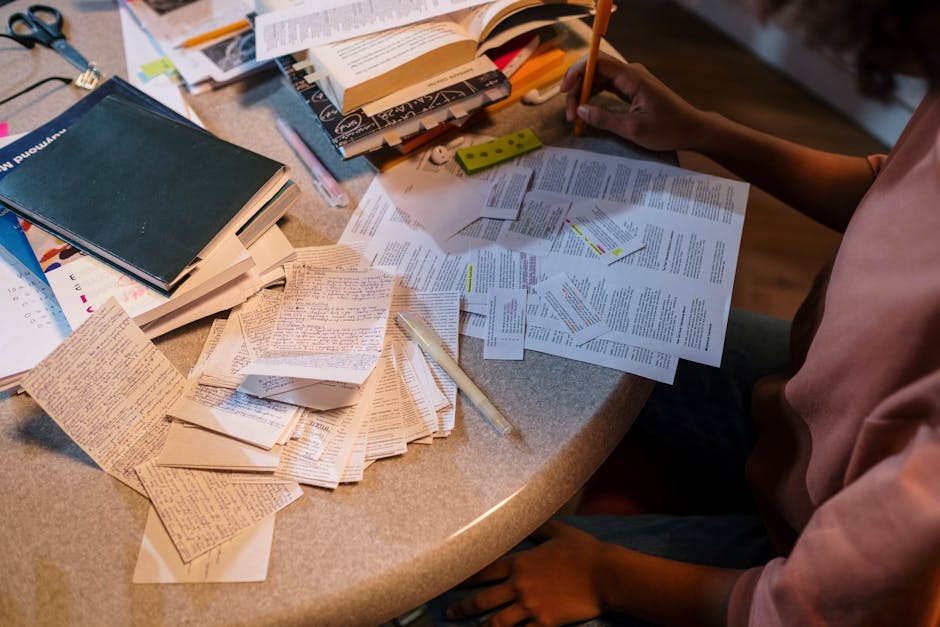
It’s late evening, and the clock ticks down the limited time after work. The phone buzzes nearby, a constant temptation that can easily distract from the task at hand. As the first ten minutes slip away, the search for the right page in the notebook becomes a frustrating ritual, often leading to a sense of disarray before practice even begins.
In these fleeting moments, the critical step of pulling one practice set forward often gets overlooked. The notebook sits open, but without a clear plan, the focus drifts. The initial review habit could streamline the transition into practice, yet it frequently gets sidelined. With the right page ready before the session, the learning flow can maintain momentum, avoiding the pitfall of wasted time that comes from fumbling through materials.
Setting Up for Success: The Initial Scene
The timer sits prominently, set for 25 minutes, a clear signal to dive into the material without distractions. This setup creates a sense of urgency, but it also highlights the risk of losing precious time if the right page in the notebook isn’t easily accessible. As the phone buzzes nearby, the temptation to check messages looms, but staying disciplined is crucial.
Before starting, take a moment to pull one practice set forward from the stack of notes. This small action can save you from the all-too-familiar frustration of flipping through pages during the first few minutes of your session. With the correct page open, you can dive straight into your review habit, ensuring that the initial moments of practice are productive. The focus shifts from fumbling to flow, allowing you to maximize the limited time you have after a long day. Yet, if you skip this step, you might find those first ten minutes slipping away, leaving you scrambling to catch up.
Hidden Steps That Delay Progress
As you settle in for a quick practice block, the first hurdle arises: flipping through pages to find the right material. This moment can easily consume precious time, especially if your notes are disorganized or if you forgot to pull out the specific practice set you intended to review.
Before diving into your notes, take a moment to set up your materials. Lay out the flashcard stack and open your notebook to the correct page. This simple adjustment can save you from the frustration of losing those first ten minutes to searching. If you skip this step, your attention may drift, and the phone—always within reach—becomes a distraction, tempting you to check notifications instead of focusing on your practice.
This small act not only minimizes the time spent searching but also helps you maintain momentum. When everything is organized and ready, you can shift your focus from fumbling to flow, maximizing the limited time you have after a long day. Without this setup, however, you risk losing those crucial moments that could have been spent honing your skills.
If this pattern keeps repeating, Learning New Skills As extends the idea without leaving the niche.
The Five Minutes That Disappear: A Mini Case
After a long day, you settle at your desk, ready to dive into your creative practice. You reach for your notebook, pen in hand, but then it hits you: your flashcards are still in the living room. That small oversight means you’ll spend the next few minutes wandering around, searching for the right page in your notes. Those first ten minutes vanish, leaving you frustrated and distracted.
This disruption not only eats away at your time but also clogs up the entire process. You lose momentum, and the phone—always nearby—tempts you to check notifications instead of honing your skills. To avoid this, make it a habit to pull out your flashcard stack and open your notebook to the correct page before you sit down.
A Better Order for the Same Five Minutes
Before diving into your creative practice, setting up your workspace efficiently can save valuable time. Instead of grabbing your materials haphazardly, take a moment to prepare. Make sure to highlight the key points on one page of your notes, so it’s easily accessible during your session. This small act ensures that when you sit down, you can immediately focus on the content rather than searching for what you need.
- Highlight one page of key points before your session starts.
- Keep your phone in another room to reduce distractions.
- Arrange your flashcards in a stack next to your notebook for easy access.
By pulling out your flashcard stack and placing your highlighted notes right next to your notebook, you create a seamless transition into your practice block.
What to Check Before the Phone Takes Over
A slightly different version of this problem appears in Practical Life Skills Us, where the sequence changes but the hidden drag feels familiar.
Before you even pull out your notes, take a moment to ensure everything is within reach. Lay out your flashcard stack beside your notebook, and have a pen ready. This simple setup allows you to flow directly into your practice block without wasting precious minutes searching for materials. If you find yourself scrambling to locate the right page in your notes, those first ten minutes can vanish into thin air.
Setting your phone to 'Do Not Disturb' mode can also be a game-changer. Notifications can easily pull your attention away, especially if they buzz within arm's reach. As you settle down, check that one page of your notes is highlighted and ready to go. This small act ensures that when you sit down, you can immediately focus on the content rather than searching for what you need. The Changes That Follow a Cleaner Sequence Returning to your desk after a busy day, the first thing to do is pull out your notebook and set it in front of you, open to the last page you worked on. Instead of wasting time flipping through pages to find where you left off, you can dive straight into your practice block. With your notes already laid out, you can focus on the material rather than the search.
As you settle in, take a moment to grab your flashcard stack and place it within arm's reach. This small adjustment keeps you engaged and ready to reinforce what you've just studied. If you set a timer for 20 minutes, you can create a structured environment that encourages focused practice. The first few minutes can feel like a rush, but with everything in place, you’ll find that you finish your session feeling accomplished. You’ve not only covered the material but also set the stage for your next learning block.
After each session, make it a habit to quickly review what you’ve learned. This helps cement the information and prepares you for the next time you return to your notes. By streamlining your setup and maintaining a consistent review habit, you create a more efficient learning cycle.
When you sit down to practice, the initial moments are crucial. If your notes are scattered or your flashcards are tucked away, those first ten minutes can vanish into searching instead of studying. By ensuring that your materials are organized and within reach, you eliminate this friction and create a smoother transition into your practice block. This simple act of preparation can mean the difference between a focused session and one that feels disjointed.
Lay it flat on your desk alongside your notebook and pen. This small adjustment not only streamlines your setup but also primes your mind for what’s to come. With everything ready, you can dive straight into your learning without losing precious time to distractions or disorganization.