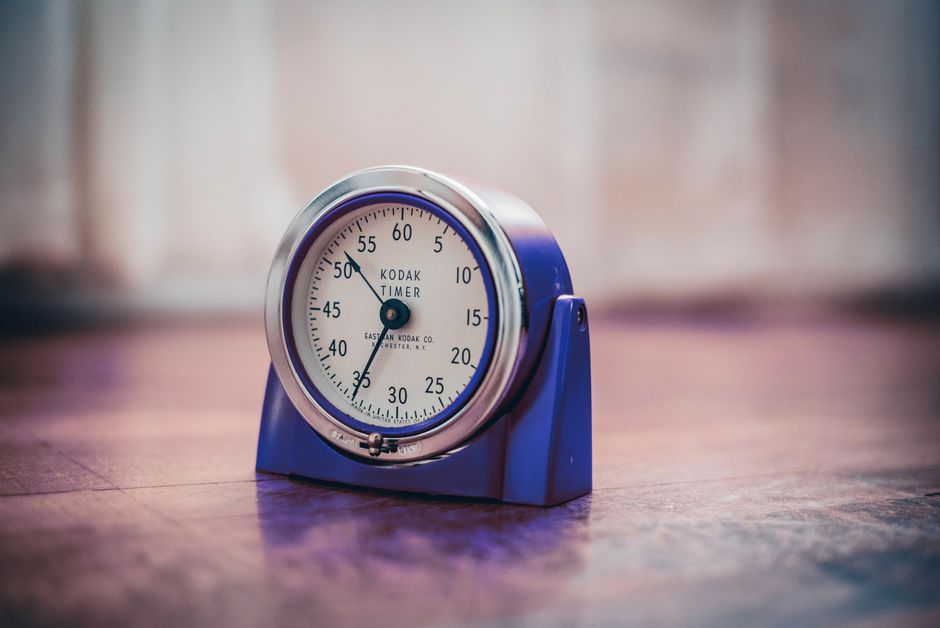
The timer ticks down, and I can feel the pressure of obligations looming. Each flashcard is a small step toward mastering a creative skill, yet the chaos of a busy day often derails my focus before I even begin. My phone, always within reach, buzzes with notifications, pulling my attention away from the task at hand.
Before I can dive into practice, I need to establish a review habit that sets me up for success. Pulling one practice set forward, I realize that having a single page ready before the session could save precious minutes. The friction of distractions and the disorganization of my notes often conspire to derail my learning, making it essential to streamline these initial steps each time I return to my materials.
Setting the Stage for Learning
The desk is strewn with notes, a pen lies ready, and a glass of water sits nearby, all within arm's reach. The timer is set for a focused twenty minutes, but the phone buzzes softly, a constant reminder of the distractions that lurk just beyond my immediate focus. I know that if I don't establish a solid review habit now, I risk losing the first ten minutes just trying to find the right page in my notebook.
Before diving into the material, I pull one practice set forward, laying it flat on the desk. This simple action saves me from the chaos of flipping through pages mid-session. I take a moment to glance at my notes, ensuring that the most relevant points are highlighted. With the timer ticking down, I remind myself that having one page ready before the session can streamline my focus and eliminate wasted time. The phone remains nearby, a tempting distraction, but I resist the urge to check it, knowing that the next twenty minutes are crucial for my learning. The clutter around me feels overwhelming, yet with each flashcard I tackle, I can feel the progress building, even in this limited window of time.
Steps That Often Get Overlooked
A slightly different version of this problem appears in Practical Life Skills Us, where the sequence changes but the hidden drag feels familiar.
Returning to my desk after a long day, I often find myself eager to dive straight into practice. However, I quickly realize that skipping the preparatory steps can cost me valuable time. Instead of immediately reaching for my flashcards, I take a moment to pull out the specific materials I need for the session. This might seem trivial, but having everything laid out in front of me saves precious minutes that would otherwise vanish while I search through my notebook.
Once the flashcard stack is ready, I make it a point to review my previous notes for a few minutes. This helps reinforce what I’ve learned and sets the stage for the new material. I notice that if I skip this review habit, I often spend the first part of my practice session feeling disoriented, trying to recall what I studied last. The phone, sitting just out of reach, is a constant temptation, but I keep it at bay, knowing that the next twenty minutes are crucial for my learning.
Each time I neglect this routine, I can feel the frustration build as I waste time flipping through pages instead of engaging with the content. It’s a delicate balance, but ensuring that I have one page ready before the session can make all the difference in maintaining my momentum.
The Phone's Temptation: A Mini Case
If this pattern keeps repeating, Learning New Skills As extends the idea without leaving the niche.
However, the phone, resting just within reach, lures me with its notifications. I tell myself I’ll just check one message, but ten minutes slip away as I scroll through updates instead of reviewing my notes.
After this distraction, I glance at the timer and see that half of my session is already gone with little progress made. I scramble to pull one practice set forward, but without the earlier review habit, I feel lost. The notes I meant to reinforce now seem distant. As I flip through pages to find the right section, the frustration mounts. I know that if I had kept my phone out of reach, I could have spent those first crucial minutes solidifying my understanding instead of losing them to distractions. This small oversight clogs up my process and delays my next steps, making it harder to build on what I’ve learned.
Reordering for Efficiency: A Quick Checklist
When I sit down at my desk, I often find myself wasting time flipping through pages to find the right notes. To combat this, I prepare one page of notes ahead of time, ensuring it’s the first thing I see when I start. This simple act can save precious minutes that would otherwise slip away as I fumble through a stack of papers.
- Place your notes for review directly in front of your workspace.
- Set a timer for 25 minutes to create a focused practice block.
- Prioritize the most relevant material to review first, pulling it to the top of your stack.
With my notes ready and the timer set, I can dive right into the material without distractions. Instead, I can immediately reinforce my learning and maximize the limited time I have, keeping the phone out of reach to maintain that focus.
What to Check Before the Phone Takes Over
I can see the timer waiting to be set, but first, I reach for my phone and silence it, placing it face down out of reach. This small act prevents the temptation of notifications from pulling my focus away. In those crucial moments, every second counts, especially when I have only a short window to review material.
Next, I make sure all my materials are within arm's reach. I pull the most relevant flashcard to the top of the stack, ensuring it's ready for immediate review. As I sit down, I take a moment to check that my notebook is open to the last page I was working on, eliminating the first ten minutes that usually disappear while I search for the right section. With my notes ready and the timer set for 25 minutes, I can jump straight into practice, reinforcing what I’ve learned without distractions.
The Impact of a Cleaner Sequence
When I sit down at my desk, the first thing I do is scan my flashcard stack, pulling the most relevant card to the top.
With my materials ready, I set a timer for 25 minutes. This not only creates a sense of urgency but also helps me focus my attention on the task at hand. I notice that when I follow this sequence—preparing my materials before the timer starts—I retain information better. The distractions of my phone, now silenced and out of reach, fade into the background, allowing me to concentrate fully on the flashcards and notes in front of me.
The result is a satisfying sense of accomplishment as I complete each practice block efficiently. Instead of feeling scattered or overwhelmed, I finish my session with a clearer understanding of the material. This refined approach makes every minute count, transforming what could be a chaotic review into a structured and productive learning experience.
When the clock is ticking and obligations loom, the act of reviewing notes before diving into practice can easily slip through the cracks. I often find myself fumbling through my notebook, losing precious minutes searching for the right page instead of engaging with the material. By ensuring that one page is ready and visible before I begin, I can eliminate that initial chaos and jump straight into focused practice.
The phone, a frequent source of distraction, is silenced and placed out of reach, allowing me to immerse myself in the task. This simple adjustment not only enhances my retention but also transforms my learning experience from a frantic scramble into a structured session. For anyone juggling a busy schedule, making that one small check—having materials organized and accessible—can significantly improve the quality of creative skill development.