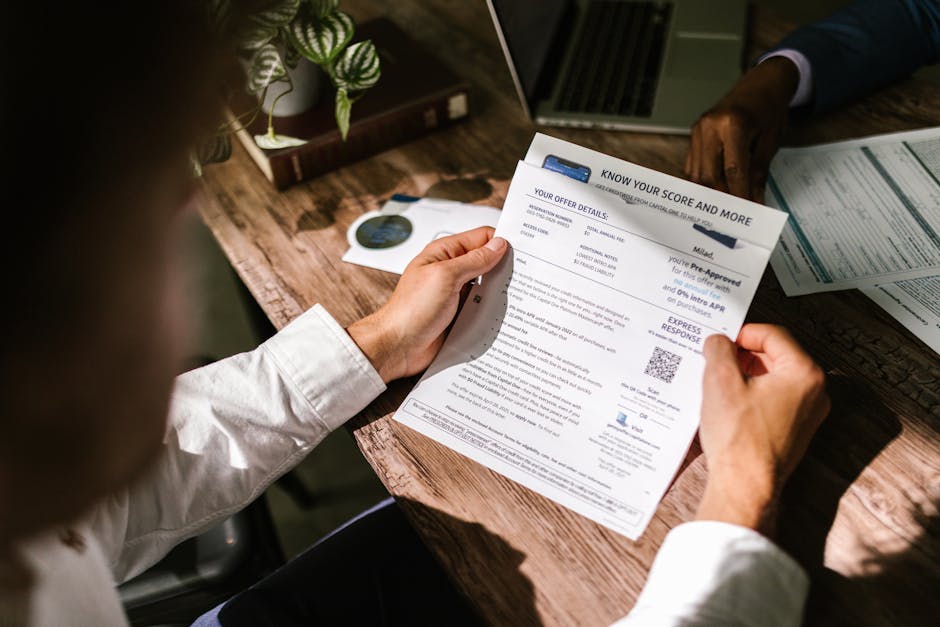
As the clock ticks down to the end of the day, the desk is cluttered with a stack of flashcards and a well-worn notebook. However, as the phone buzzes nearby, it’s easy to lose focus. The first ten minutes often vanish while searching for the right page in the notebook, flipping through sheets filled with hastily scribbled notes. With obligations looming, this precious time is wasted, leaving little room for actual practice.
In these tight windows, the tendency to overlook small but crucial steps becomes evident. Setting aside one page for immediate review can streamline the process, allowing for a quick recap of essential points before practice begins. By pulling that page forward and having it ready, the transition from review to practice can be smoother. Yet, the phone’s constant presence acts as a distraction, pulling attention away just when it’s needed most.
The First Step That Gets Skipped
The timer is set for just twenty minutes, a fleeting window after a long day at work. As the phone buzzes intermittently, it’s all too easy to lose focus. The first few minutes slip away while searching for the right page in the notebook, flipping through sheets filled with hastily scribbled notes. Each second wasted means less time for actual practice, and the looming distractions from the phone only amplify the urgency.
Before diving into the material, a quick check is essential: pulling out one specific page that summarizes key concepts can make all the difference. This simple action not only prepares the mind for review but also minimizes the time spent fumbling through the notebook. With that page ready, the transition from reviewing notes to practicing skills can flow more smoothly. However, the phone’s constant presence remains a challenge, as notifications can easily divert attention just when focus is most critical.
Hidden Steps in the Learning Process
Before diving into practice, reviewing notes is essential, yet it's easy to overlook the importance of having one specific page ready. This page should summarize key concepts and serve as a quick reference, allowing for a smoother transition into skill practice.
- Pull out the summary page from your notebook before starting.
- Limit distractions by placing your phone out of reach.
- Use a timer to keep your practice block focused and efficient.
With just a few moments spent preparing, you can save precious time that would otherwise be lost flipping through pages. The first ten minutes can easily vanish in the search for the right material, especially if the phone is within arm's reach, tempting you with notifications. By ensuring that one page is ready before the session begins, you not only streamline your review habit but also set the stage for a more productive practice block.
What Happens When You Skip the Review?
A slightly different version of this problem appears in Practical Life Skills Us, where the sequence changes but the hidden drag feels familiar.
The first ten minutes often evaporate as you rummage through your notebook, flipping pages in search of that crucial summary. This delay not only wastes time but also sets a frustrating tone for your entire practice block. With your phone within reach, the temptation to check notifications can further derail your focus, turning a quick review into a lengthy distraction.
When you neglect this preparatory step, the process clogs up right at the beginning. Instead of diving into skill practice, you find yourself battling frustration, which can lead to diminished productivity. Each minute spent searching for the right material chips away at your motivation, making it harder to engage fully with the task at hand. The delay in reviewing notes can push your practice session into a rushed state, where you might skip essential exercises or gloss over important concepts.
Place it on your desk alongside your flashcard stack, ensuring it’s the first thing you see when you sit down. This small adjustment can streamline your transition into practice, allowing you to maximize the limited time you have after work or before bed. By preparing in advance, you not only save time but also create a more focused and productive environment for your creative skill learning.
A Better Order for the Same Five Minutes
If this pattern keeps repeating, Learning New Skills As extends the idea without leaving the niche.
Sitting at my desk, I’d shuffle through a disorganized stack of papers, flipping through pages trying to find the right section. This not only consumed valuable time but also left me feeling scattered and unprepared as I glanced at my phone, tempted to check notifications while I searched. The first ten minutes of my practice block would slip away, and by the time I finally settled into my materials, I felt rushed and unfocused.
Now, I prepare one page of notes before each session, placing it on my desk alongside my flashcard stack. When I sit down, everything is in sight and ready to go. I set a timer for twenty minutes, which helps me resist the urge to reach for my phone. This simple adjustment has transformed my practice blocks. Instead of scrambling to find information, I dive straight into reviewing key concepts. I can now use those first few minutes to reinforce what I’ve learned, rather than wasting them in disarray. By having my notes organized and accessible, I create a smoother transition into skill practice, allowing me to maximize my limited time after work or before bed. What Changes When the Sequence is Cleaned Up? When I pull out my flashcards and notes ahead of time, I can see exactly what I need to focus on. The act of laying out one page of notes next to my flashcard stack creates a visual cue that sharpens my attention. Instead of wasting precious minutes searching for the right material, I can immediately begin reviewing key concepts. This small shift in sequence allows me to complete practice sets in half the time.
With my phone out of reach and my materials organized, distractions fade away. The timer on my desk becomes a signal for focused effort, and I can fully immerse myself in the content. As I review, I notice that I retain more information, which makes each session feel more fulfilling. The simple act of preparing my notes ahead of time has transformed my approach, making it easier to maintain a consistent review habit. Now, I can wrap up my practice block feeling accomplished rather than rushed, which encourages me to return to my studies again the next day.
If I sit down at my desk and find my flashcards scattered, or if I can't locate the page in my notebook where I left off, the first ten minutes slip away in frustration. Instead, I’ve learned to pull one practice set forward and place it directly in front of me, alongside my notes. This simple act creates a visual anchor that signals my brain to focus. When I know exactly what I’m reviewing, I can dive right in, minimizing the chance of distraction from my phone or other interruptions.
Establishing this routine not only saves time but also enhances my retention of the material. Each time I sit down, I can see my organized notes and flashcards waiting for me. The next time I have a brief window after work, I’ll make sure to have my materials ready to go, so I can jump straight into practice without wasting a moment.