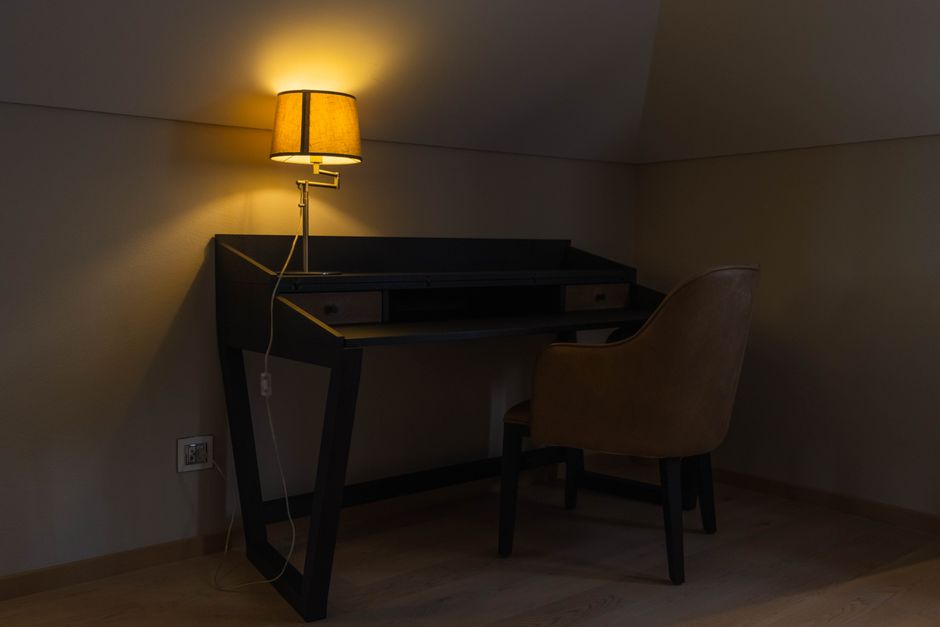
As the clock ticks down to bedtime, the desk is cluttered with a stack of flashcards, a notebook, and a pen. With only a short window to review material before diving into practice, the first ten minutes often slip away in a frantic search for the right page or card. This routine, familiar yet frustrating, highlights how busy days can disrupt the flow of learning creative skills.
For instance, pulling one practice set forward and placing it at the top of the stack can save precious time. However, if the notes aren’t organized or a page isn’t ready before the session, the initial momentum can be lost. This small oversight can lead to a cascade of delays, making it difficult to settle into a productive practice block.
The First Step That Gets Skipped
Sitting down at the desk, you glance at the scattered notes and the timer set for 30 minutes. The notebook lies open, but the pages are filled with jumbled thoughts and sketches. Just as you begin to focus, the phone buzzes with notifications, pulling your attention away from the task at hand. Each vibration is a temptation, a distraction that can easily derail your intent to review material before practice.
To avoid wasting time, consider pulling one practice set forward and placing it at the top of your flashcard stack. However, if you skip this step and dive in without organizing your notes, you risk losing the first ten minutes searching for the right page or card. The clutter on the desk can become overwhelming, and without a clear starting point, the practice block may feel less productive than it should. Prioritize having one page ready before the session to maintain momentum and minimize interruptions.
Uncounted Steps That Derail Focus
A slightly different version of this problem appears in Practical Life Skills Us, where the sequence changes but the hidden drag feels familiar.
When you sit down at your desk, the first thing you should do is locate the notebook with your latest notes, but if it's buried under a stack of papers or misplaced entirely, you can easily lose five minutes just searching. Those minutes add up, especially when you have a timer set for only 30 minutes and a long list of tasks waiting for your attention.
Without a clear practice block established, you might find yourself flipping through pages aimlessly, trying to recall what you intended to review. This lack of focus can lead to a frustrating cycle where you spend more time deciding what to practice than actually doing it. Place it on top of your flashcard stack, making it the first thing you see when you sit down. This simple act can help you bypass the initial confusion and get straight to the material that matters.
Additionally, having your phone within reach can be a double-edged sword. While it’s convenient for checking the timer, the notifications can easily distract you. If you find your attention drifting, consider putting your phone in another room during your practice block. This small adjustment can help you maintain your focus and ensure that the time you do have is spent productively.
The Phone as a Distraction: A Mini Case
If this pattern keeps repeating, Learning New Skills As extends the idea without leaving the niche.
You aim to review your notes before diving into a practice block, but the moment you sit down, your phone buzzes with a text message. Instead of focusing on the notes in front of you, you instinctively reach for your phone, losing precious time.
When you finally return your attention to your notes, the initial confusion sets in. You can't remember where you left off, and flipping through your notebook becomes a frustrating exercise. Instead of a smooth transition into practice, you waste more time searching for the right page. To streamline your next session, try placing your notebook on top of your flashcard stack before you start. This way, it’s the first thing you see, allowing you to jump straight into reviewing without the initial delay. The phone remains within reach, but its potential to distract you looms large, making it essential to decide how to manage that temptation before you begin.
A Better Order for the Same Five Minutes
When you sit down at your desk after a long day, the clock is ticking. You have just five minutes to review your notes before diving into a practice block. To make those minutes count, prepare one page of notes in advance. This means selecting the most relevant section from your notebook and placing it on top of your flashcard stack.
- Prepare one page of notes in advance to avoid searching.
- Keep your phone in another room to minimize distractions.
- Start with a quick review of key concepts before moving to practice.
This simple adjustment not only keeps you on track but also sets a clear intention for your practice. With your notes ready and your phone out of reach, you can dive straight into the material without losing those crucial first minutes.
What to Check Before the Phone Takes Over
As you settle into your chair at the desk, the flashcard stack sits nearby, but your phone is still within reach, a constant temptation. Before diving into your practice block, take a moment to pull out one specific page from your notebook that outlines the key concepts you want to focus on. This small action can save you from wasting precious minutes flipping through pages, which often leads to distraction. By having that page ready, you can quickly orient yourself to the material without the usual fumbling.
Write a brief note at the top of that page, stating what you aim to achieve in the next ten minutes—whether it's mastering a particular technique or reviewing vocabulary. This intentionality not only helps you stay focused but also creates a mental cue that directs your energy toward your goal. With the right notes in front of you and a clear objective in mind, you can resist the urge to check your phone, ensuring those first few minutes are productive rather than lost to aimless scrolling.
How a Cleaner Sequence Changes Everything
When you sit down at your desk after a long day, the flashcard stack and your notebook should be right in front of you, not buried under other tasks. This simple arrangement allows you to dive straight into your practice block without wasting time searching for materials. Instead of flipping through pages or shuffling cards, you can immediately engage with the content you’ve prepared. This proactive step can eliminate the first ten minutes that often disappear in the chaos of finding the right notes.
With your materials organized, the clarity of focus enhances your skill acquisition. You can quickly reference the concepts you need, which leads to more effective retention. Consider jotting down a brief goal at the top of that page, like "master this technique" or "review these terms." This not only gives you a clear direction but also helps combat distractions, such as the temptation to check your phone.
This small adjustment can save you from the frustrating experience of fumbling through materials when time is tight. If your flashcards are stacked neatly next to your notes, you can jump right into the content without wasting precious minutes searching for the right page or card. The phone, while tempting to check, should be silenced and set aside to minimize distractions.
It serves as a reminder of what you want to achieve in this short block of time. This focused approach not only streamlines your review habit but also enhances your ability to retain information. By preparing your materials ahead of time, you ensure that every minute counts, making your creative learning process more efficient, even on the busiest days.