At the desk, the flashcard stack sits ready, but the phone buzzes with notifications, pulling attention away from the notes spread out beside a worn notebook. The intention to practice creative skills is there, but the setup feels disjointed, making it easy to lose focus on the material that needs reviewing before diving into actual practice.
Without a clear plan, that initial rush to get started can lead to missed steps, like not having one page ready before the session begins. The act of pulling one practice set forward becomes a scramble instead, as the mind races to recall what was learned last time. This friction—having the phone within reach—adds to the chaos, making it harder to settle into a productive review habit.
The First Step That Gets Skipped
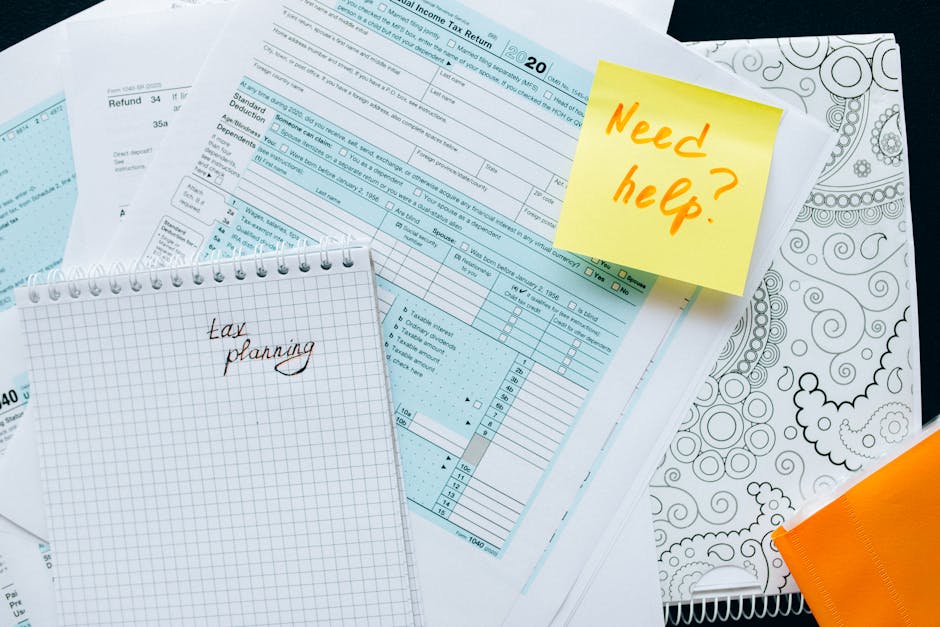
At the cluttered desk, notes are strewn across the surface, a half-empty water glass teeters next to a timer set for 30 minutes. The flashcard stack is nearby, but the phone buzzes with notifications, making it difficult to concentrate on the material. Without a clear plan, the transition from reviewing to practicing feels disjointed.
To regain focus, the first step should be pulling one practice set forward from the stack and placing it directly in front of the notes. This small action creates a visual anchor, reminding you of what to concentrate on first. Before hitting the timer, check that one page is ready and open, minimizing the chance of getting sidetracked. However, with the phone still within arm's length, the temptation to check notifications remains a persistent threat to that initial momentum.
Hidden Steps in Your Study Routine
Before diving into practice, it’s crucial to set the stage properly. One often-overlooked step is pulling out the relevant practice set from the stack of flashcards and placing it directly in front of your notebook. This simple action not only organizes your materials but also creates a visual cue that directs your focus. Without this, you might find yourself wasting precious minutes flipping through cards, losing sight of your goal.
Next, ensure your notebook is open to a clean page, ready for notes. This small adjustment can save you from the frustration of fumbling around to find the right spot mid-session. When the timer starts, you want to hit the ground running, not spend the first ten minutes searching for where you left off. If your phone is nearby, the temptation to check notifications can easily derail your concentration. By having everything set up beforehand, you minimize distractions and maximize your available time.
The first ten minutes often disappear in finding the right materials, leaving little room for actual practice. This way, you can dive straight into your learning, making the most of your limited time.
If this pattern keeps repeating, Learning New Skills As extends the idea without leaving the niche.

What to Check Before the Phone Takes Over
Returning to your desk after a busy day, the flashcard stack sits neatly beside your open notebook, but the clock is ticking. You only have a short window before the next obligation pulls you away. This is the moment where the process clogs up, causing frustration and lost time.
Before you start, take a moment to pull one practice set forward. Place it at the top of your stack, ensuring it’s the first thing you see when you sit down. This small adjustment can help you focus immediately instead of getting sidetracked by the phone sitting within reach. The temptation to check notifications can easily interrupt your flow, diverting attention away from your learning. By having the right materials at the forefront, you minimize distractions and set yourself up for a productive practice block.
As you settle in, check that your notebook is open to a clean page, ready for notes. This simple step ensures you won’t waste time fumbling to find the right spot mid-session. When you’re pressed for time, every second counts, and the last thing you want is to lose momentum because you weren’t prepared.
A Better Order for the Same Five Minutes
Returning to your desk after a long day can feel disjointed, especially when you’re juggling multiple obligations. The flashcard stack sits there, but instead of diving into practice, you find yourself rifling through your notes to locate the right page.
To streamline your approach, set up your workspace before you leave for the day. Pull one practice set forward and place it at the top of your flashcard stack. When you return, it should be the first thing you see. This simple act not only saves time but also keeps your focus sharp, minimizing the temptation to check your phone, which is often within arm's reach. As you sit down, open your notebook to a clean page, ready for notes. This preparation ensures that you won’t waste time fumbling to find the right spot mid-session.
Use a timer to limit distractions during your practice block. Set it for 25 minutes, and commit to focusing solely on your learning during that time. This creates a clear boundary, allowing you to immerse yourself in the material without interruptions. By establishing this order—preparing your notes, placing your practice set front and center, and using a timer—you can transform those five minutes into a productive start rather than a chaotic scramble.
What Changes When You Streamline Your Sequence
A slightly different version of this problem appears in Practical Life Skills Us, where the sequence changes but the hidden drag feels familiar.
Returning to your desk after a busy day, the sight of a cluttered notebook can feel overwhelming. You might find yourself flipping through pages, searching for the right notes, and before you know it, ten minutes have vanished. This wasted time not only disrupts your focus but can also diminish the effectiveness of your practice block.
To combat this, set up your materials as part of your routine. Before you finish your last obligation, pull out your flashcard stack and place the most relevant practice set on top. This small adjustment ensures that when you sit down, you’re greeted with your most pressing material first, eliminating the need to sift through pages. Open your notebook to a fresh page, ready for notes, and keep your pen within reach.
By establishing this order, you not only save precious minutes but also enhance your retention of the material. As you practice, the clarity of having everything in place helps reinforce what you’re learning, making your review habit more effective. The next time you sit down, notice how much smoother the start feels when you’ve set the stage properly.
When you return to your desk after a long day, it’s easy to lose focus in the first few minutes. The phone buzzes, and suddenly you’re scrolling instead of studying. This distraction often leads to the first ten minutes slipping away as you search for your materials. Instead, make it a habit to prepare your flashcard stack before you leave your previous commitment. Place the most relevant cards on top and open your notebook to a fresh page so everything is ready when you sit down.
With your materials in place, you can dive straight into practice without the usual fumbling. The next time you sit down, take a moment to check that your pen is nearby and that the flashcards are easily accessible. This small adjustment not only saves time but also helps you maintain your focus, ensuring that you maximize your learning during those precious blocks of time.