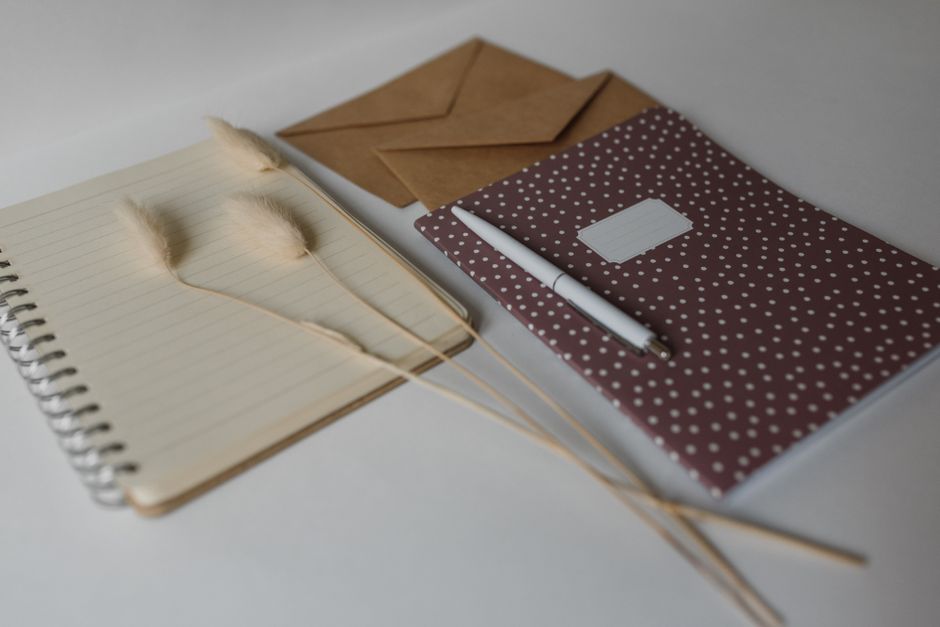
At the small desk in the corner of a cramped apartment, the clock ticks down the last ten minutes before a busy evening takes over. A flashcard stack sits ready, but the first few minutes slip away as the search for the right page in the notebook begins. Each second spent flipping through notes eats into the precious time allocated for practice, and the phone buzzes with notifications, a constant reminder of distractions lurking just within reach.
Before diving into practice, it’s essential to have one page prepared, but this simple step often gets overlooked. With the phone within arm's length, the temptation to check messages can derail focus. Instead of starting with a clear view of the material, the session begins with fumbling and frustration.
The First Step That Gets Skipped
At the small desk, notes are sprawled out, but the timer is ticking down the last few minutes before the next obligation. The flashcard stack is neatly organized, yet the learner finds themselves flipping through the pages of their notebook, desperately searching for the right section. This initial setup is crucial, but without a clear plan, the first ten minutes vanish in a blur of page turning and frustration. Each moment wasted contributes to a growing sense of urgency, making it harder to focus on the skill practice ahead.
With the phone resting just inches away, the temptation to check notifications looms large. A simple adjustment, like having one specific page ready before starting, can drastically change the flow of the session. By pulling that practice set forward and placing it on top of the notebook, the learner can create a smoother transition into focused practice.
Steps That Often Get Overlooked
As the timer ticks down, it's easy to forget essential steps that can streamline the learning process. One common oversight is not pulling out a specific practice set beforehand. Instead of diving straight into practice, take a moment to identify and place that set on top of your notebook. This small action can save precious minutes that would otherwise be wasted flipping through pages. Additionally, setting a clear goal for the session, like focusing on a particular technique for ten minutes, sharpens your focus and makes the practice more effective.
- Pull out one specific practice set beforehand to minimize page flipping.
- Set a clear goal for the session to maintain focus.
- Keep a water glass nearby to stay hydrated and avoid unnecessary breaks.
Another often-overlooked step is ensuring that your phone is out of reach. Having it nearby can easily steal your attention, leading to distractions that break your concentration.
If this pattern keeps repeating, Learning New Skills As extends the idea without leaving the niche.
What Happens When You Lose Focus?
When a phone notification buzzes nearby, it can easily disrupt your concentration. That brief moment of distraction often leads to a significant loss of context regarding your material. For instance, you might be studying a specific technique in your notebook, but the alert pulls your attention away just long enough for you to forget what you were reviewing.
In the chaos of trying to regain focus, you may spend five minutes flipping through pages, searching for the right section. You might find yourself stuck, unable to reconnect with the flow of your previous notes. Instead of diving back into practice, you’re left scrambling to remember where you left off.
This small adjustment can create a distraction-free environment, allowing you to keep your attention on the material at hand. As you sit down at your desk, have your notebook open to the right page, ready for immediate use.
A Better Order for the Same Five Minutes
When you sit down at your desk, the first thing you notice is your flashcard stack, but instead of diving into practice, you find yourself flipping through your notebook, searching for the last page you worked on. The key to turning this around is to prepare your materials well in advance, ideally the night before. Lay out your notebook with the last notes taken open to the relevant page, and have your pen and flashcards within reach. This simple act of preparation sets the stage for a more focused practice block.
Now, when you sit down, you can immediately check your timer, setting it for a dedicated five-minute session. This creates a sense of urgency that encourages you to stay on task. Instead of wasting precious time searching for your notes or getting distracted by your phone, you can quickly review the last few points you jotted down. This not only helps you regain context but also primes your mind for the material you’re about to practice.
What Changes Once the Sequence is Cleaner?
A slightly different version of this problem appears in Practical Life Skills Us, where the sequence changes but the hidden drag feels familiar.
Imagine sitting down at your desk after a long day, only to find your notebook open to the right page, your flashcards stacked neatly beside your pen. This setup eliminates the fumbling that often eats away at your first ten minutes, allowing you to dive straight into reviewing your notes.
With everything in place, you can quickly check your timer and set it for a focused ten-minute session. This shift means you spend less time trying to remember where you left off or getting distracted by your phone, which is still within reach but less tempting when you’re already engaged.
As you review, you find that the material sticks better. The quick recap of your last notes primes your mind for the flashcards, reinforcing what you’ve learned.
If you leave your notebook open to the last page you were working on, it creates a seamless entry point for your next practice block. This small adjustment can save you from wasting precious time searching for where you left off. When you return to your desk, your flashcards should be stacked neatly beside your pen, ready for a quick review.
Next time you sit down, set a timer for a focused ten minutes, and dive right into your material. This routine not only primes your mind for learning but also minimizes distractions, like the phone that usually lingers nearby. Make it a habit to pull one practice set forward before you finish; it’s a simple step that can transform your next session.